
What does the land mean to you? Geology, flora, fauna, land use, ecology and ecosystems, archaeology, vernacular architecture, history, folklore, legends, can all be included when we say landscape.
A landscape was originally a style of painting:
The word “landscape” entered the modern English language as landskip (variously spelt), an anglicization of the Dutch landschap, around the start of the 17th century, purely as a term for works of art, with its first use as a word for a painting in 1598. Within a few decades it was used to describe vistas in poetry, and eventually as a term for real views.
— Landscape painting, Wikipedia
Physical landscapes in different locations are affected by climate, geology, vegetation, animals, land use, history, archaeology, folklore, vernacular architecture, industry, farming, and people. These factors give rise to a rich palimpsest of layers, many of which affect each other. For example, climate and geology affect the vernacular architecture. History, animals, vegetation, and climate affect the regional folklore. And so on.
Landscape writing is a broad category encompassing many different styles and authors.
One example is the Connemara Trilogy by Tim Robinson, who was also an accomplished cartographer (I first encountered him through his wonderful map of the Burren). He wrote about the flora and fauna, the history, and the geology of Connemara.
One of my favourite authors is Robert Macfarlane, who writes in-depth studies of landscape, including locale-specific words, writers who have engaged with the landscape before, local folklore and history, geology, and a deep understanding of nature.
One of the writers highlighted by Robert Macfarlane is Nan Shepherd, a Scottish landscape writer, most famous for the book The Living Mountain:
Shepherd was a keen hill-walker. Her love for the mountainous Grampian landscape led to a short non-fiction book The Living Mountain, written in the 1940s, but published only in 1977. It is now the book for which she is best known. It has been quoted as an influence by prominent nature writers such as Robert Macfarlane and Joe Simpson. The Guardian called it “the finest book ever written on nature and landscape in Britain.”
~ Wikipedia
If you enjoy landscape writing, I highly recommend a visit to Sherlock & Pages, a bookshop specialising in landscape writing.
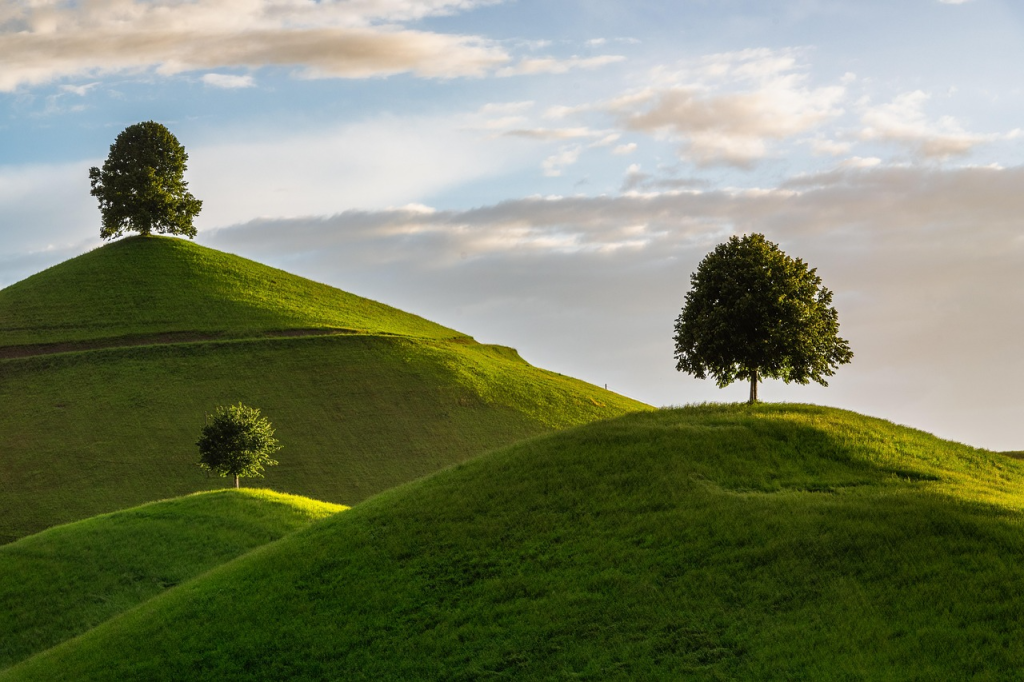
Even if you’re incorporating landscape into fictional writing, you need a deep understanding of the different factors that have influenced your chosen landscape, whether it’s real or imaginary.
Check out our Bookshop.org pages for lists of landscape books, including the ones mentioned in this blogpost.

Leave a Reply